
Even Realities AI smart glasses
G1
Check official store; availability varies
Check official store; availability varies
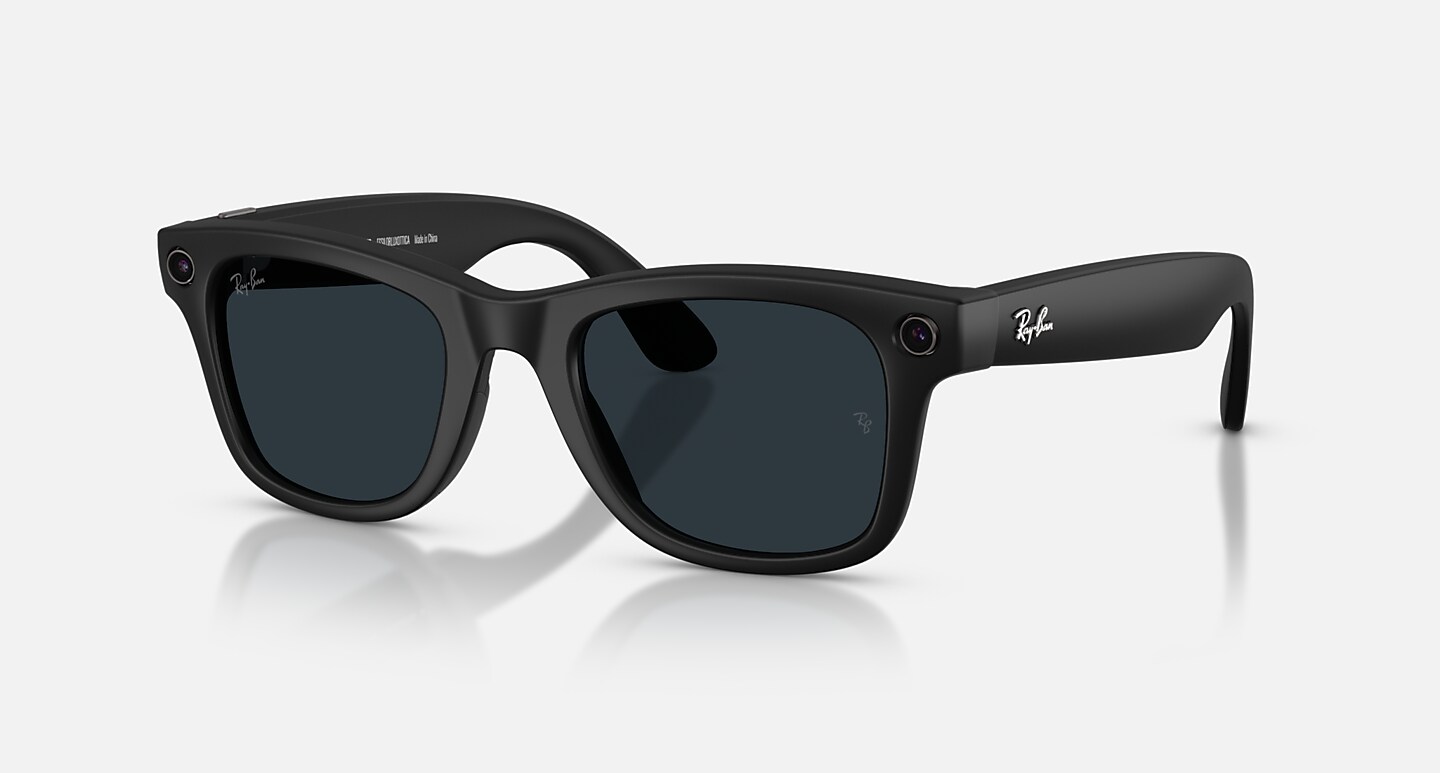
Check official store; frame and lens variants vary
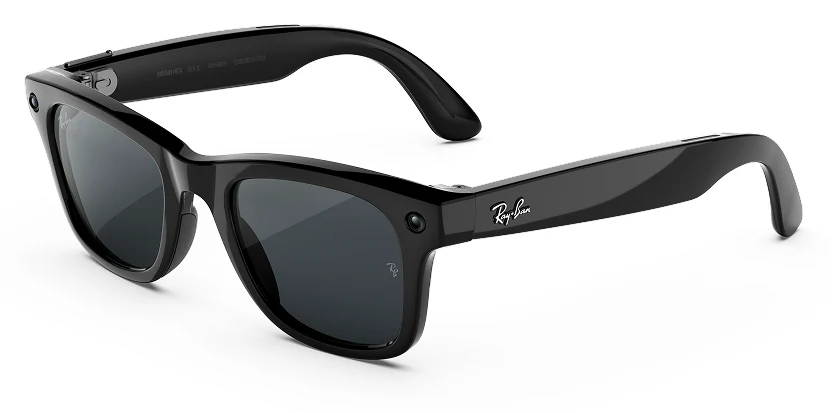
From £489 UK official store; frame and lens variants vary


£329 UK store listing; check current price
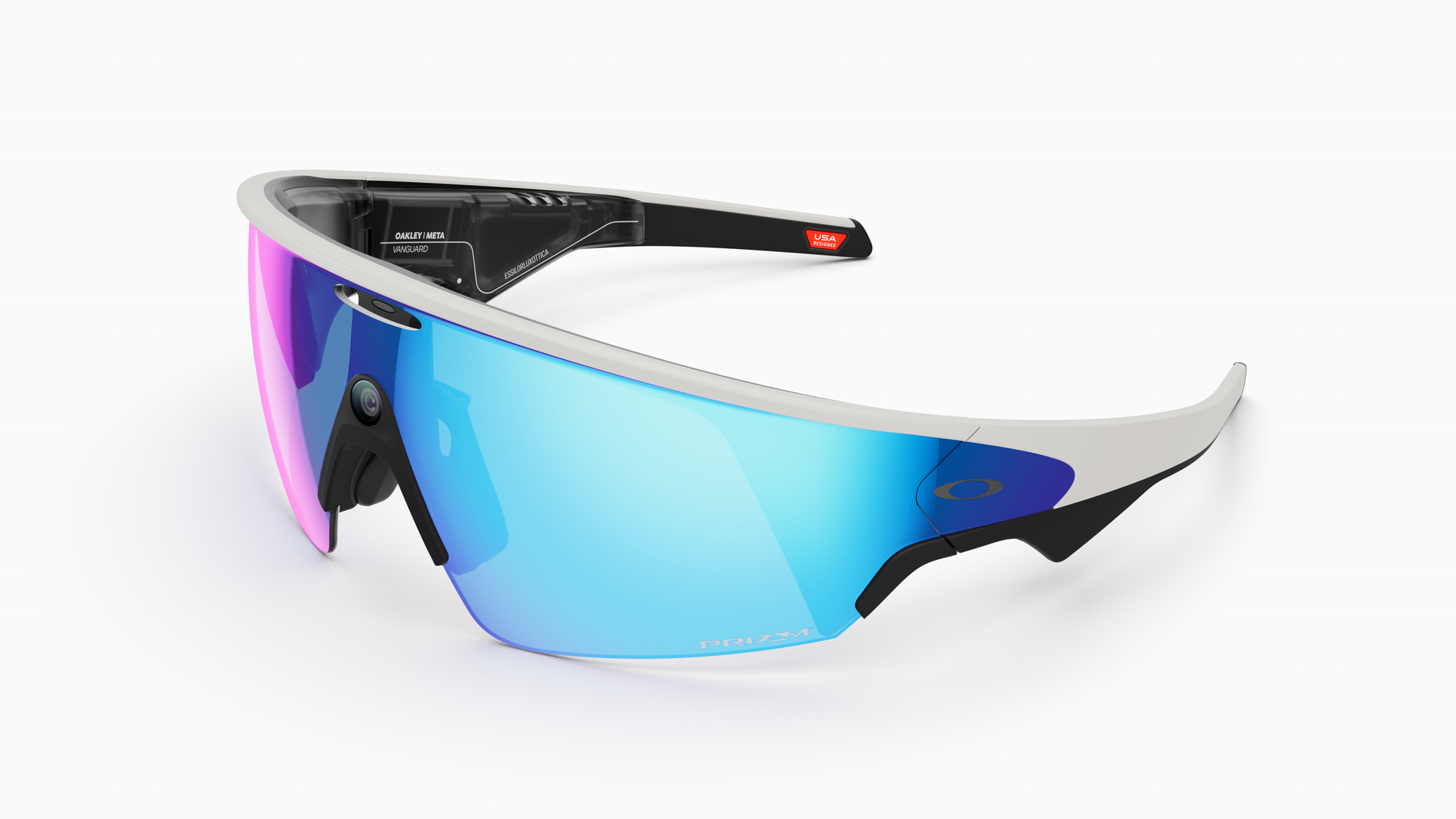
Check UK store; regional pricing varies

Check regional availability; UK pricing not confirmed

£429 launch offer (regular £469; check current price)


Check UK store; regional pricing varies


£289 UK direct-store listing; check current price
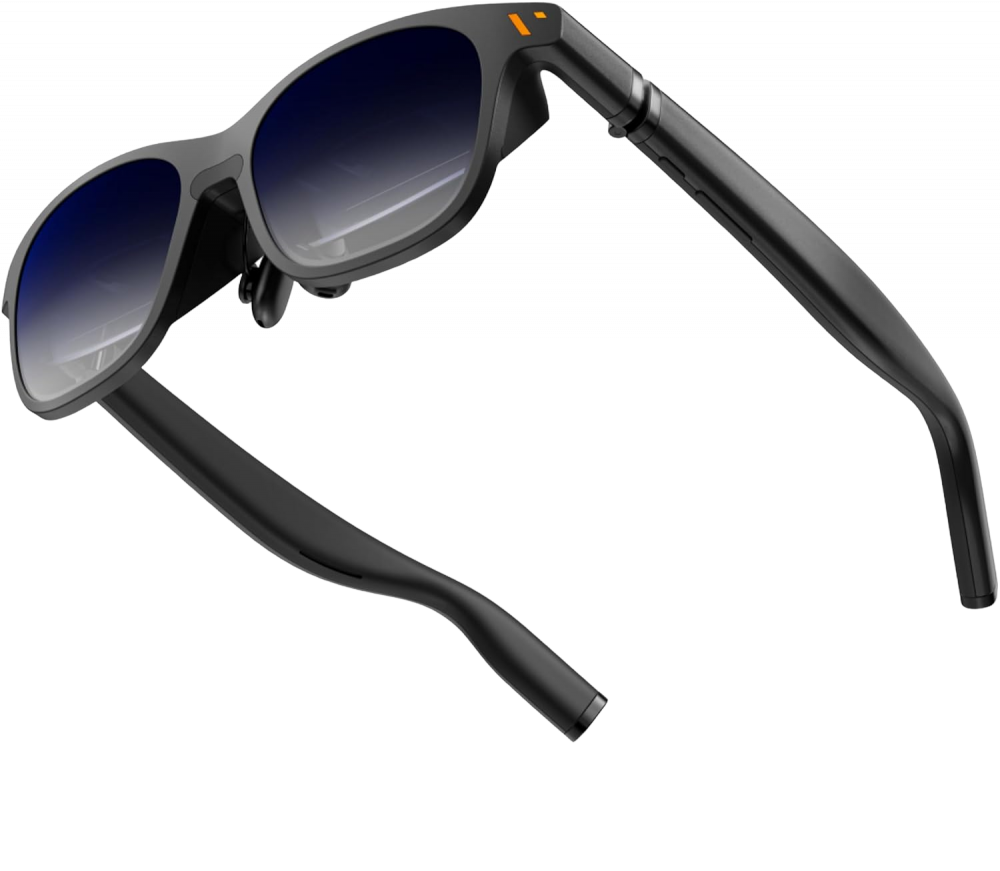


£369 launch offer (regular £399; check current price)

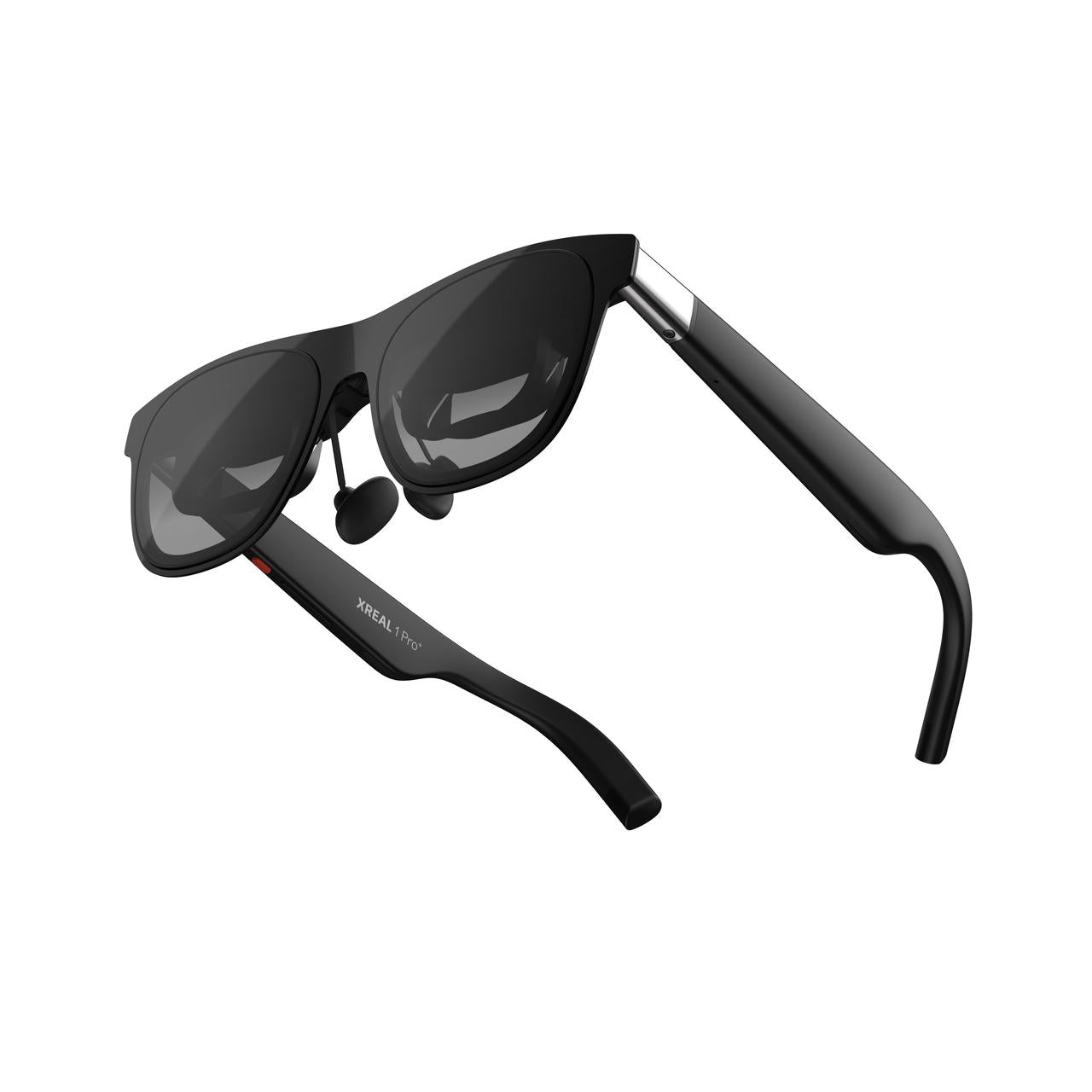
£599 UK store listing; check stock status
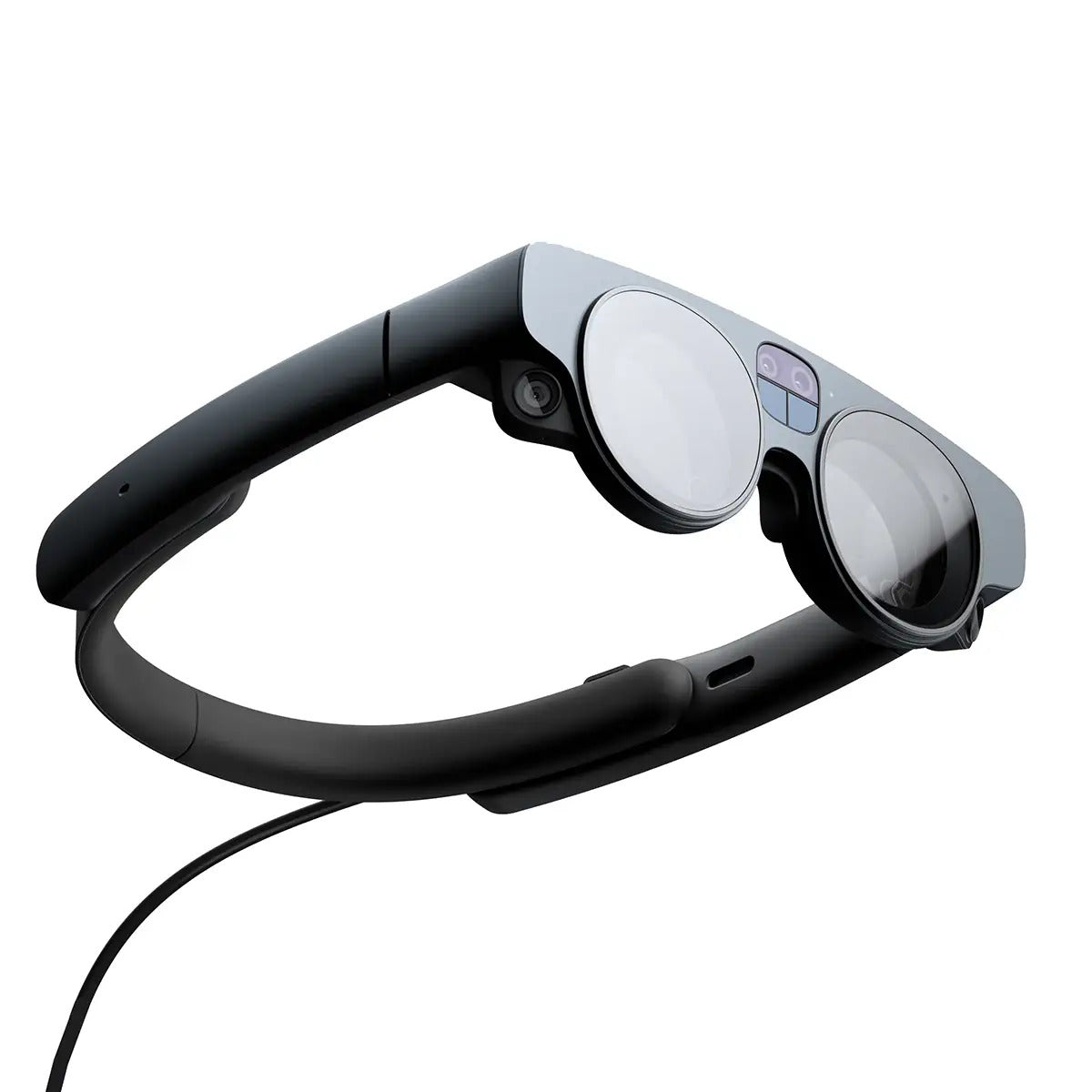
Enterprise pricing / availability varies
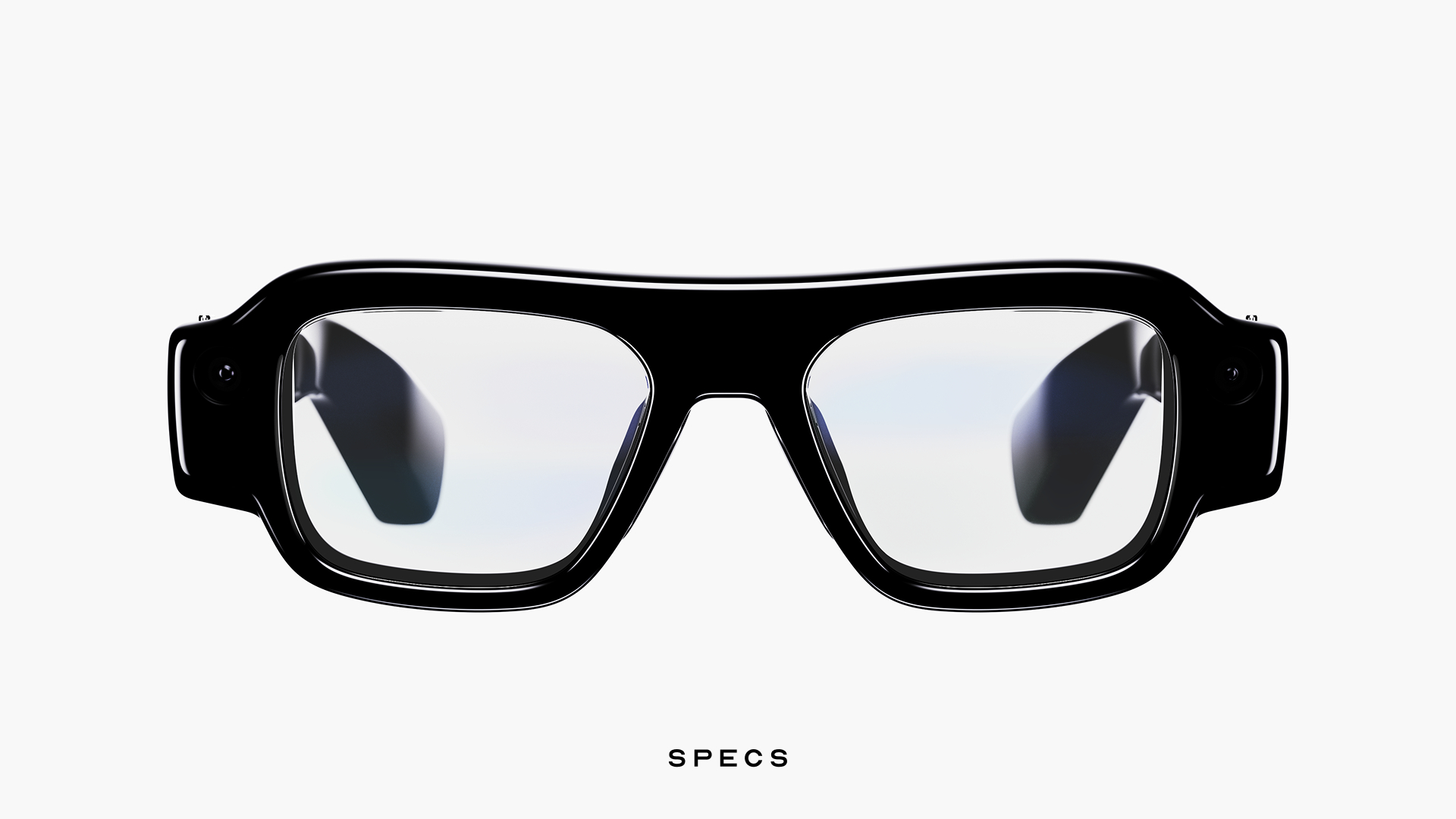
Announced at US$2,195; UK checkout price to confirm

£1,299 UK direct-store listing; check current price

£499 shown on UK page; currently out of stock / regional availability restricted
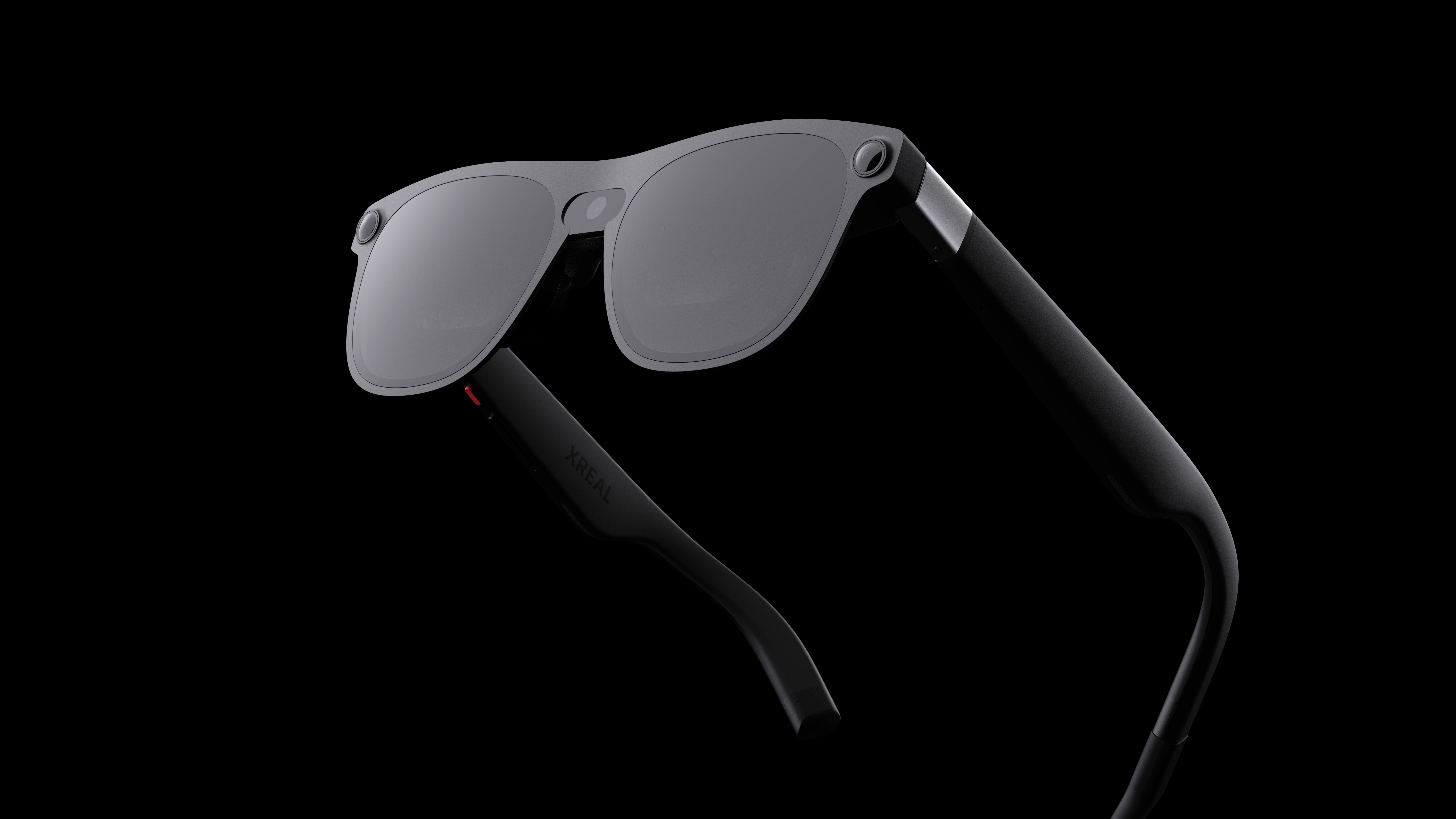
Announced for global launch in 2026; retail price and shipping status not confirmed in source checked
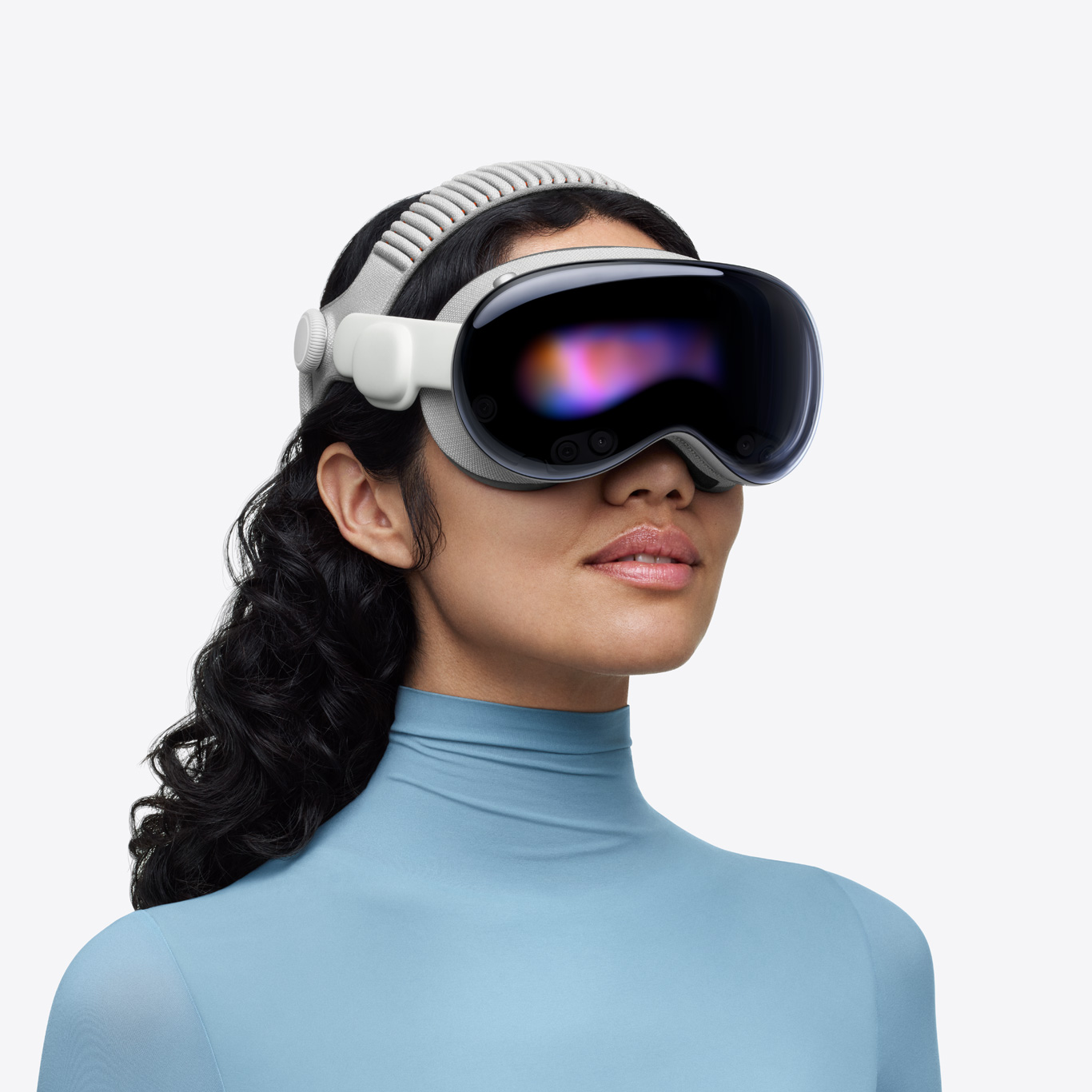
Regional pricing; headset, not glasses
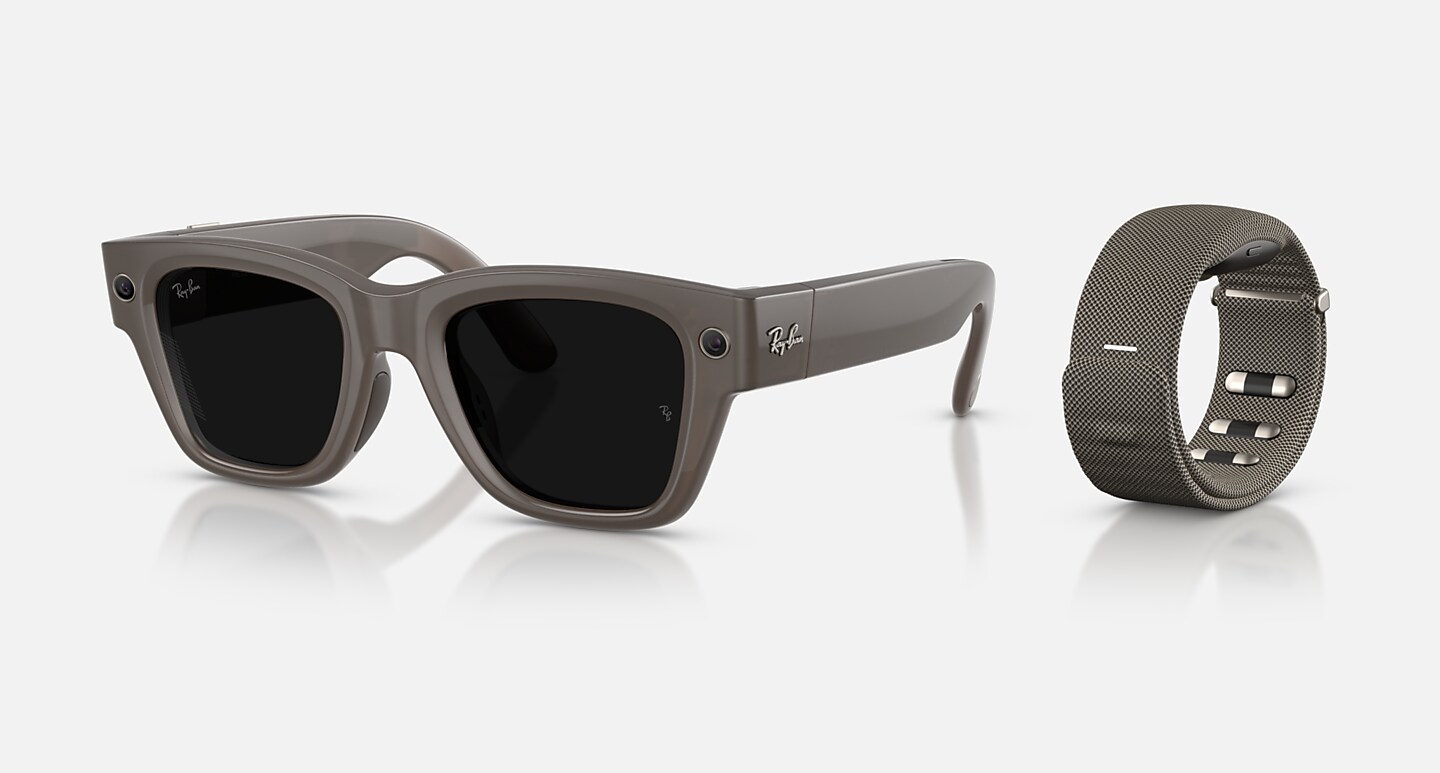
£749 UK listed
Business / channel pricing; check current availability

Business / channel pricing; check current availability
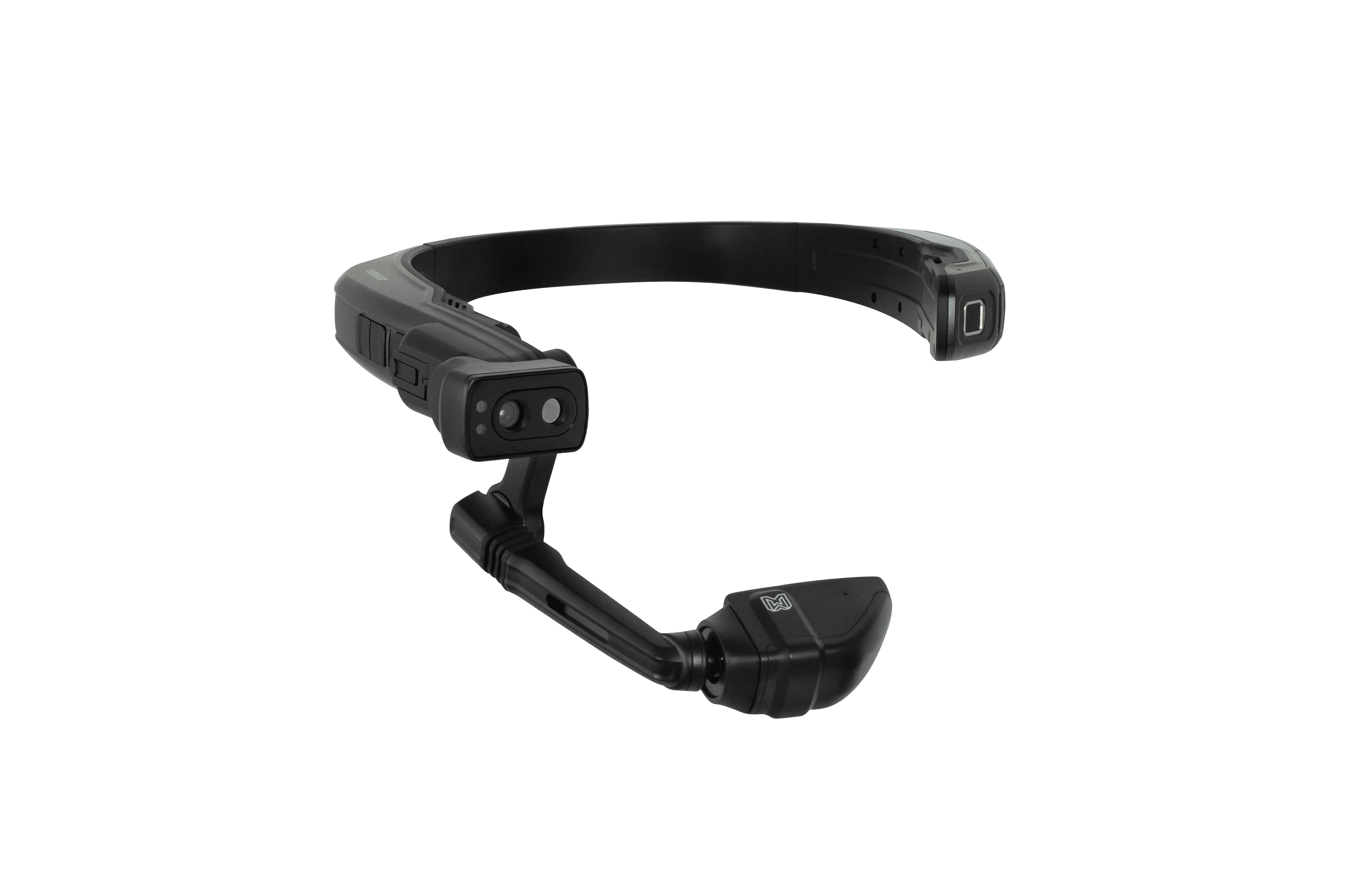
Business / channel pricing

Business / channel pricing; check current availability

Business / channel pricing; check current availability

Business / channel pricing; check current availability
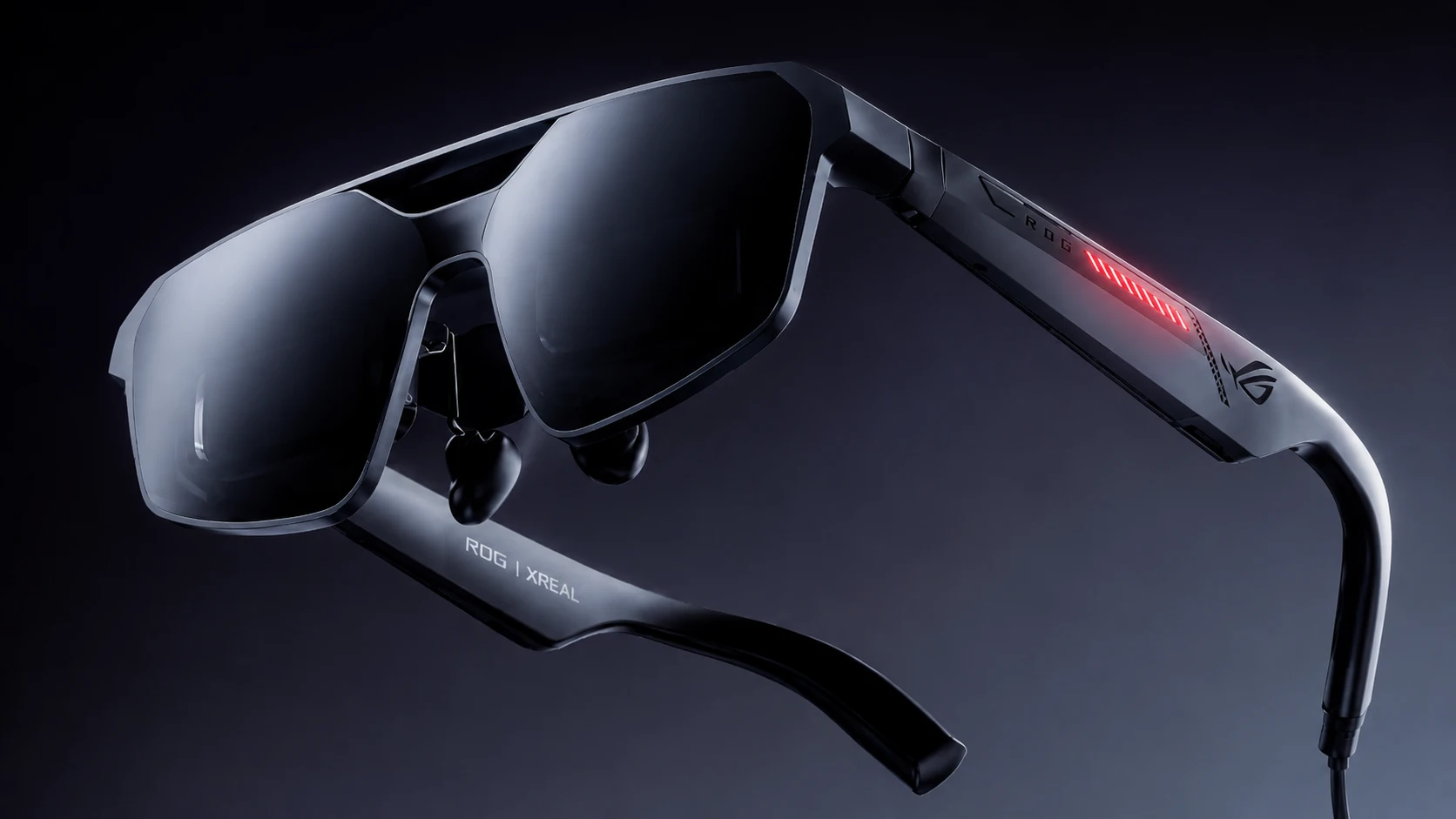
£749 UK ASUS eStore listing; check current price


Check UK store; official page lists US pricing

Check official store; regional pricing varies
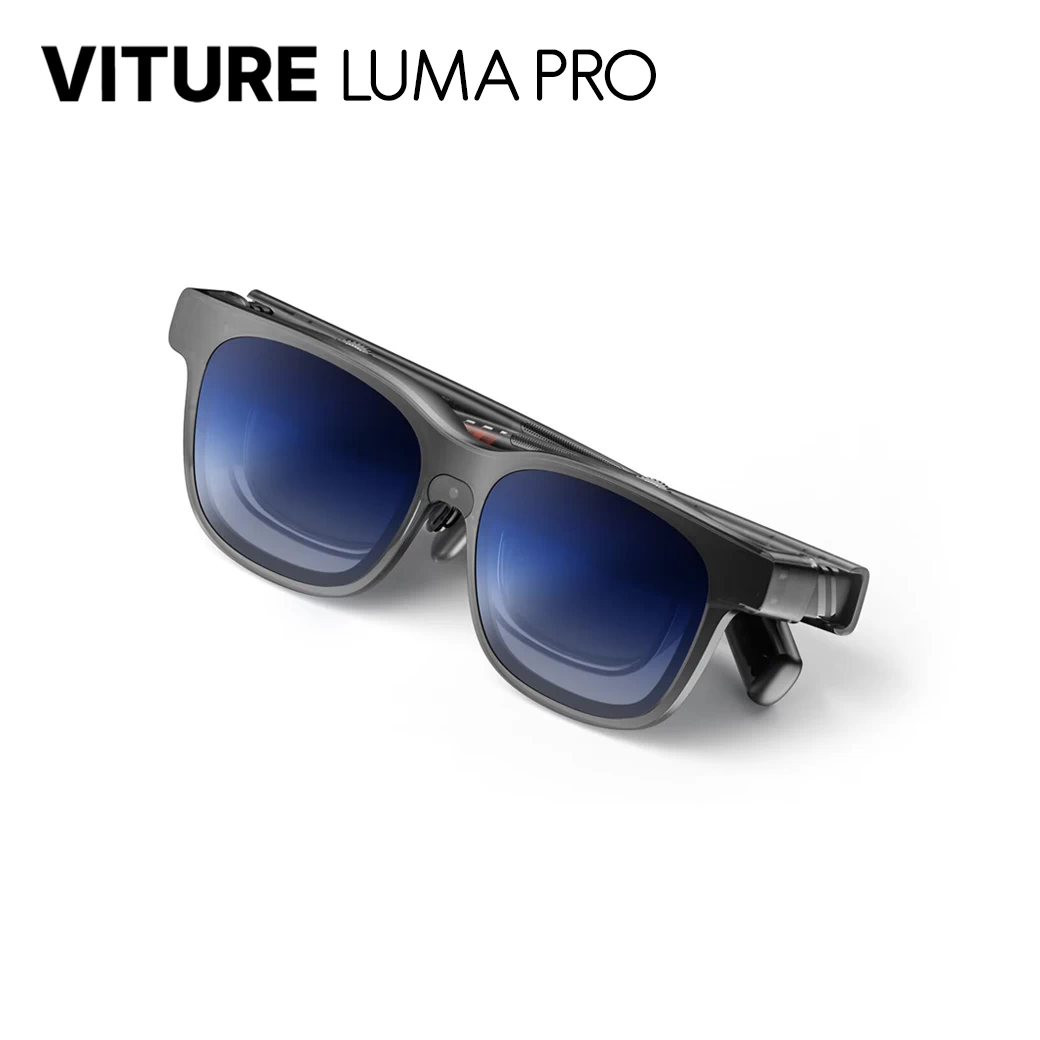
Check UK store; official page lists US pricing

Check UK store; official page lists US pricing

Check UK store; official page lists regional pricing

Check UK store; regional pricing varies
EXPLORE THE LINE-UP
Select up to three products from the list to compare their specifications side by side.
No products are available to display. Please refresh the page to try again.
THE AR GLASSES DATABASE
Compare display glasses, AI smart glasses and spatial AR systems. Check manufacturer-published specifications, compatibility, tracking, weight and UK pricing before you choose.
Wearable screens for films, gaming and virtual monitors. Usually tethered to a phone, laptop or media device; they do not necessarily understand or map the room around you.
Examples: XREAL, VITURE, RayNeo Air, Rokid MaxEveryday eyewear with cameras, microphones, speakers and an AI assistant. Some include a small private display; many have no visual display at all.
Examples: Ray-Ban Meta, Even Realities, HallidaySystems designed to anchor digital content in the physical environment using tracking, spatial mapping or optical see-through displays. Capabilities vary significantly.
Examples: Snap Specs, RayNeo X3 Pro, enterprise systemsSIDE-BY-SIDE
Specifications are shown as published. Different display architectures are not directly interchangeable.
HOW TO READ THE SPECS
The angle of the visible image. A wider FOV can make content feel larger, but the quoted diagonal figure is not the same as usable horizontal FOV.
Check whether a figure is measured at the microdisplay or stated as perceived image brightness. Manufacturer methods can differ, so figures are not always directly comparable.
A higher maximum refresh rate may require a supported host, resolution or mode. It does not guarantee every app runs at that rate.
3DoF tracks rotation; 6DoF also tracks movement through space. Some glasses rely on a companion device or accessory for spatial features.
We prioritise manufacturer product pages, technical specifications and support documentation. Independent reviews are used only to add context, not to silently replace a manufacturer's stated specification.
Catalogue checked: . Specifications can change after firmware updates or new product revisions. Each product card links to the manufacturer's source.